Why Is Supplier Reliability Important for Long-Term OEM Cooperation?
Choosing a reliable industrial roller supplier is an important decision for OEM equipment manufacturers, industrial distributors, and production facilities. Rollers must fit their intended equipment, meet relevant technical requirements, and arrive according to the agreed schedule. If a roller has incorrect dimensions, unsuitable surface characteristics, or incomplete inspection documentation, the result may be additional work, installation problems, or production delays.
For long-term OEM cooperation, buyers should evaluate more than a supplier's quotation or product catalogue. They need to understand how the supplier reviews technical requirements, coordinates the supply process, verifies product conformity, manages delivery, and handles issues after an order has been placed.
The best approach is to establish clear qualification criteria before selecting a supplier, then evaluate actual performance through trial orders and ongoing reviews.
1. Start with the Application and Technical Specification
The first step is to define the roller's function and operating environment. Industrial rollers are used in paper manufacturing, plastic film extrusion, printing, coating, converting, and other processes. Each application can require different materials, dimensions, surface conditions, and inspection criteria.
For example, a Cooling Roll may need a surface finish and internal cooling design suited to its thermal duty. A Rubber Roller may require defined rubber compound, hardness, and covering thickness. A Ceramic Anilox Roll requires engraving-related specifications that are different from those for a paper machine roll.
Before requesting quotations, prepare the original drawing and identify critical dimensions, materials, surface requirements, operating conditions, shaft interfaces, and acceptance criteria. If information is missing, ask the supplier to identify the gaps before production rather than relying on assumptions.
2. Verify Engineering Capability and Drawing Control
A reliable supplier should be able to review the drawing and raise technical questions before manufacturing begins. The review should address dimensions, tolerances, materials, surface specifications, and installation interfaces.
For OEM replacement rollers, check the shaft, journal, bearing, keyway, and drive interfaces carefully. Matching the nominal outside diameter is not enough if the replacement roller cannot fit the existing equipment.
Drawing revision control is also essential. The approved drawing should be the reference for quotation, manufacturing, and inspection. If a revision is issued, both parties should confirm which version applies and whether the change affects cost, lead time, or acceptance criteria.
A supplier that asks relevant technical questions before production may help identify missing information early. However, buyers should still verify the final design and approval records rather than assume that the supplier will resolve every ambiguity independently.
3. Understand the Supplier's Actual Supply Scope
The term “industrial roller supplier” can describe different business arrangements. Some companies manufacture rollers directly; others coordinate sourcing through qualified manufacturers or provide a broader range of industrial products.
Neither arrangement alone determines whether a supplier is suitable. Buyers should establish who reviews the drawing, who coordinates manufacturing, which operations are included, who inspects the finished roller, and who is responsible for delivery and problem resolution.
Depending on the product, the manufacturing route may include machining, rubber covering, surface treatment, precision grinding, polishing, balancing, and inspection. Confirm which operations apply to the specific order and whether they are included in the quotation.
If partner manufacturers are involved, clarify how technical requirements and drawing revisions are communicated. Transparent responsibilities help reduce confusion when questions arise during production.
4. Check Quality Control with Product-Specific Evidence
Quality assurance should be based on the actual roller specification. Depending on the product, relevant inspection items may include outside diameter, working-face length, concentricity, total indicated runout (TIR), surface roughness, hardness, coating thickness, covering thickness, and dynamic balancing.
Ask the supplier which characteristics will be inspected, what acceptance criteria apply, and which records will be supplied. For a critical application, additional inspection or third-party pre-shipment verification may be appropriate.
A company presentation, factory video, or general quality certificate can provide useful background, but none independently proves that a particular roller meets the agreed purchase specification. Product-specific inspection records provide more direct evidence of conformity.
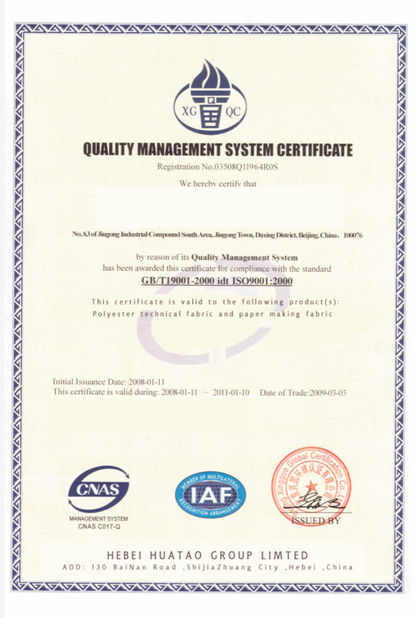
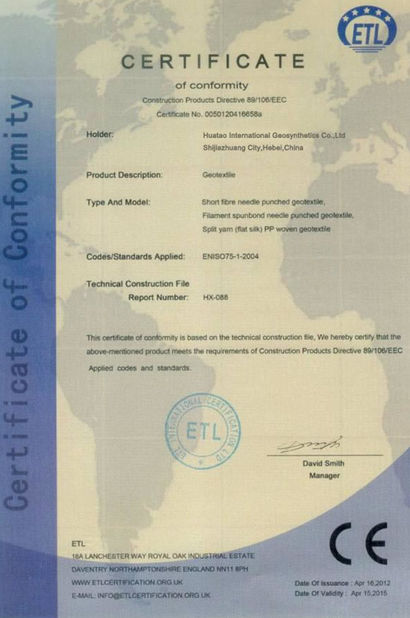
Where a supplier presents a quality management certificate, check its validity and scope. Certification of a management system and verification of an individual product are separate parts of supplier qualification.
5. Assess Delivery Reliability and Communication
A reliable supplier should provide a realistic delivery estimate based on the actual manufacturing scope. Depending on the roller, the schedule may involve material procurement, machining, coating, rubber covering, grinding, balancing, inspection, and packaging.
Ask which operations are included in the quoted lead time and how progress will be communicated. The supplier should distinguish confirmed commitments from preliminary estimates and notify the buyer when a problem is likely to affect the schedule.
Communication is equally important for technical questions. Confirm who handles drawing clarification, inspection issues, shipping documents, and after-delivery concerns. When a problem occurs, expect a clear explanation of the issue, its effect on the order, and the proposed next steps.
6. Use a Trial Order to Evaluate Performance
A trial order allows the buyer to evaluate the product and the supplier's working process before committing to a larger program. The order should have a clearly approved drawing, defined acceptance criteria, agreed inspection records, and confirmed delivery requirements.
After receipt, check the roller against the approved specification. Review whether the inspection documents are complete, the packaging is suitable, the delivery commitment was met, and technical questions were handled effectively.
Record any nonconformities and the supplier's response. One successful order is useful evidence, but repeated performance is a stronger basis for long-term approval.
7. Compare Total Cost Rather Than Unit Price Alone
Supplier quotations should be compared on the same technical and commercial basis. Verify whether each offer includes the required materials, surface treatment, inspection documentation, packaging, and delivery scope.
The total cost of a roller may also include incoming inspection, installation, rework, freight, downtime, and the effort required to resolve technical problems. A low quotation may be less attractive if the product does not conform to the agreed requirements or if key operations are excluded.
At the same time, a higher price should be supported by a clear difference in technical scope, quality evidence, or service. The goal is to understand the cost and risk associated with each proposal rather than assuming that price alone indicates value.
8. Establish a Long-Term Supplier Review Process
After qualification, buyers should periodically review supplier performance. Useful measures may include on-time delivery, incoming inspection results, nonconformities, corrective-action closure, response time, and consistency across repeat orders.
When a problem occurs, document the issue and agree on corrective action. Where appropriate, ask the supplier to identify the cause and explain how recurrence will be prevented. Follow up to determine whether the action has been completed and whether it has been effective.
A long-term supplier relationship should combine clear expectations with practical cooperation. Buyers need to provide accurate drawings and timely feedback, while suppliers should communicate limitations, deviations, and progress honestly.
How HUATAO Group Supports Industrial Roller Sourcing
HUATAO Group is an industrial product supplier and trading company that works closely with qualified manufacturers. For OEM and replacement roller requirements, HUATAO supports sourcing and specification coordination based on the customer's drawing, application, and technical requirements.
To begin a review, prepare the roller type, drawing, dimensions, materials, operating conditions, surface requirements, quantity, and delivery destination. These details help establish the appropriate supply scope and identify missing information before quotation.
Product suitability, manufacturing arrangements, inspection requirements, and delivery terms should be confirmed for each project. This provides a clearer basis for communication and helps both parties understand what the order requires.
Conclusion
Choosing a reliable industrial roller supplier for long-term OEM cooperation requires a structured evaluation process. Define the specification, review engineering and drawing control, understand the supply arrangement, verify product-specific inspection evidence, and assess delivery and communication.
Start with a suitable trial order and monitor performance over time. Clear requirements, transparent responsibilities, and documented problem resolution provide a more dependable basis for long-term cooperation than price comparisons alone.
Related Products
Contact
Tony Liu
General Manager | International Department
Mobile / WhatsApp / WeChat: +86 13383112591
E-mail: sale08@huataogroup.com
Website: https://www.huataorolls.com/
#IndustrialRollers #IndustrialRollSupplier #OEMCooperation #OEMReplacement #SupplierQualification #CustomRollers #QualityControl #IndustrialProcurement #SupplierManagement #RollManufacturing #PrecisionEngineering #RollInspection #RubberRollers #CoolingRolls #FilmLineRolls #PaperMachineRolls #AniloxRolls #DrawingReview #SupplyChainManagement #HUATAO


 Twoja wiadomość musi mieć od 20 do 3000 znaków!